Last Update: 26 August 2025
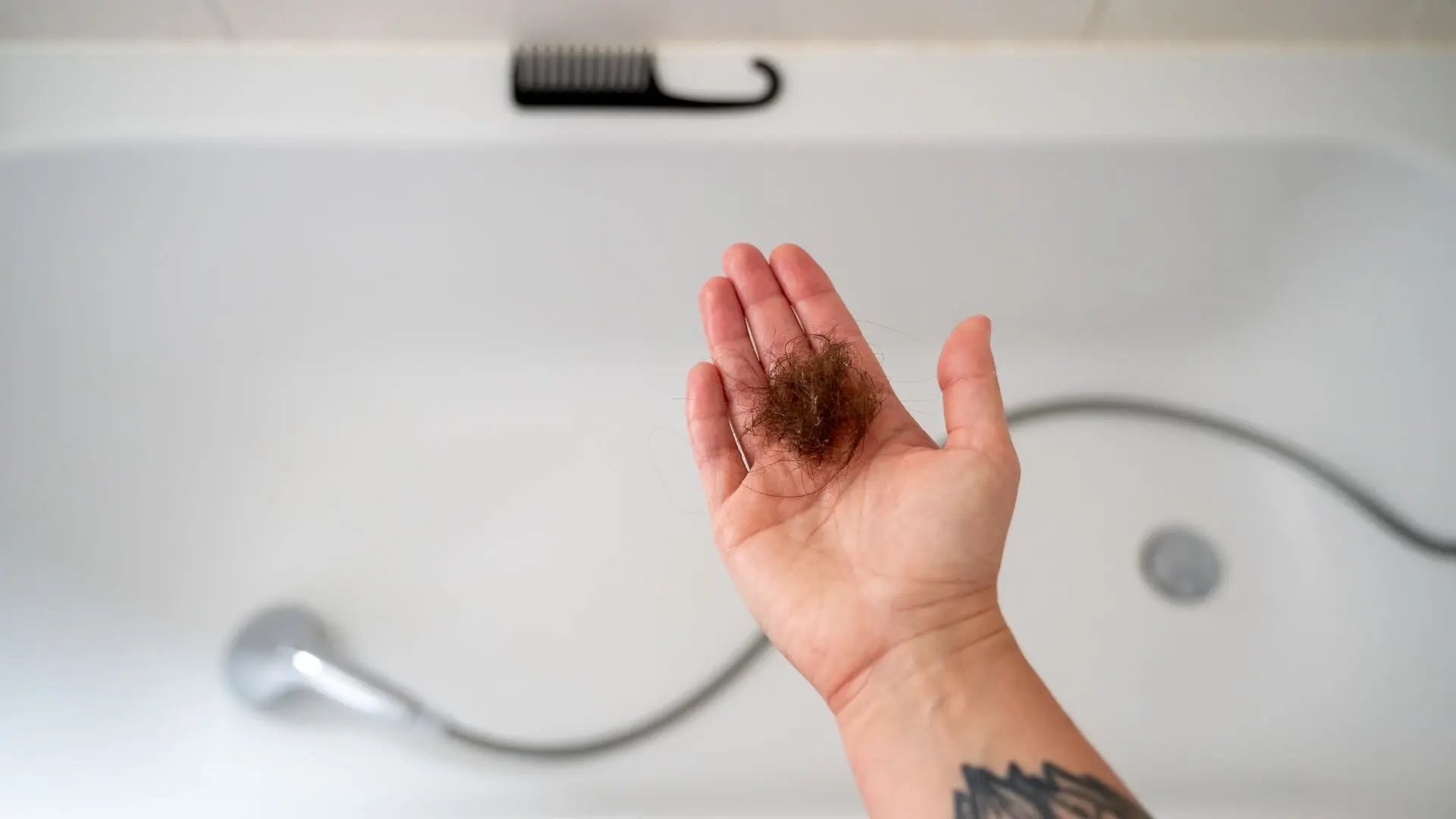
Clogged shower drains can disrupt daily routines and lead to costly repairs if left unaddressed. Hair clogs, often combined with soap scum and other debris, are a primary culprit, restricting water flow and causing frustrating slowdowns. Recognizing early signs like slow drainage or gurgling sounds is crucial for timely intervention.
Preventative measures are key to maintaining clear drains. Simple daily habits include using a quality hair catcher, brushing your hair before showering to remove loose strands, and regularly cleaning the drain cover. After showering, rinsing down walls and tubs helps wash away stray hairs, preventing them from entering the drain system.
For weekly maintenance, consider flushing drains with boiling water to melt grease, or using a natural baking soda and vinegar cleanse to break down residues. Tools like drain snakes, plungers, or even a bent wire hanger can effectively remove visible hair and debris. Regular inspection and the use of natural enzyme cleaners also contribute to a healthy, free-flowing drain system.
However, some clogs require professional attention. Persistent slow drainage, unpleasant odours, strange gurgling noises, or recurring blockages indicate a deeper issue that household remedies can't fix. If multiple drains are backing up, it signals a mainline blockage needing immediate expert intervention. Knowing when to call a professional, like Silver Drains and Plumbing, can save time, money, and stress, ensuring your plumbing remains in top condition.
Ever thought about how much clogged shower drains can throw off our routines? Hair clogs are often to blame, causing all sorts of plumbing headaches and surprise hassles.
Standing in a shower that drains slowly is frustrating, to say the least. But if you leave these clogs unchecked, they can result in costly repairs and water damage. That’s why keeping up with regular maintenance is vital to prevent things from getting worse.
Tackling clogs early and maintaining clear drains can save both time and money. This proactive approach guarantees a hassle-free shower experience.
Why Hair Clogs Occur
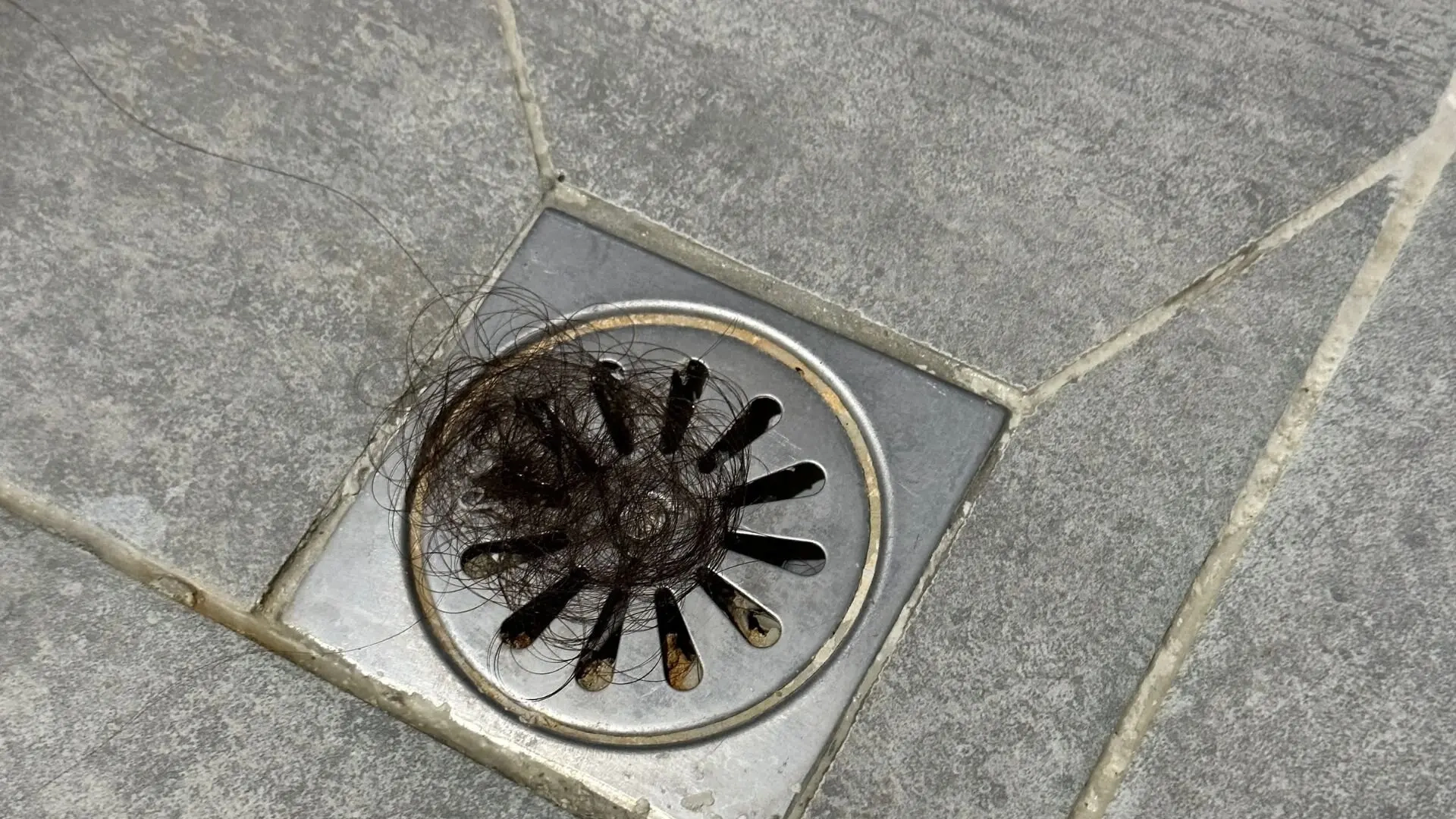
Hair clogs happen when strands accumulate in drains, tangling with soap scum, grease, and other debris to form blockages. Hair, being fibrous and sticky when wet, can easily adhere to the walls of pipes. Over time, this accumulation grows, restricting water flow and leading to a clog.
The type of hair you have can seriously affect how severe a clog might become. Longer hair, for instance, wraps around drain parts easily, while thicker strands create denser blockages. If your hair is curly or coarse, its texture and volume contribute to quicker clogs.
Signs of a developing clog include slow-draining water, gurgling sounds, and unpleasant odours emanating from the drain. When these symptoms appear, it’s crucial to address them promptly to prevent complete blockages. Regular maintenance and awareness of these signs can help mitigate the inconvenience and potential damage caused by hair clogs.
Need Help From a Specialist?
Daily Habits to Keep Your Drains Clear
Keeping your drains clear is key to a well-functioning bathroom. Here are some simple daily habits to cut down on hair build-up:
Use a Hair Catcher or Drain Cover
Invest in a quality hair catcher or drain cover. These devices trap hair before it enters the drain, minimising clogs. Choose a model that fits securely over your drain. They are easy to install and can be cleaned regularly, preventing build-up and ensuring adequate water flow.
Brush Hair Before Showering
Give your hair a brush before hopping in the shower. This easy step clears loose strands, cutting down on drain hair. Leave a brush in the bathroom as a handy reminder to make it part of your routine.
Regular Cleaning and Maintenance
Clean the hair catcher or drain cover daily. Remove any trapped hair and debris to ensure it functions properly. This regular maintenance prevents build-up and keeps the drain clear. Periodically checking the drain cover for any signs of wear or damage can help you address issues before they become serious.
Rinse the Shower Walls and Tub
After showering, rinse down the shower walls and tub with water. This practice helps wash away loose hairs that might cling to surfaces, preventing them from eventually entering the drain.
Use a Drain Cleaner Monthly
Consider using a gentle, non-corrosive drain cleaner once a month to keep your pipes clear. This can help dissolve any small buildups before they become major clogs.
Weekly Maintenance Tips for a Clog-Free Shower Drain
Flush with Boiling Water
Pour a kettle of boiling water down the drain to melt away soap and grease build-up. This straightforward trick helps fend off accumulation, keeping your drain running smoothly.
Baking Soda and Vinegar Cleanse
Sprinkle 1/2 cup of baking soda into the drain, followed by 1 cup of white vinegar. Let it fizz for 10-15 minutes, then flush with hot water to naturally break down residues and eliminate odours. For emergency plumbing or all your plumbing needs, a local Eastwood plumber offering comprehensive plumbing services ensures expert solutions. Trust reliable plumbing services in Eastwood to keep your drains clear.
Remove Hair and Debris
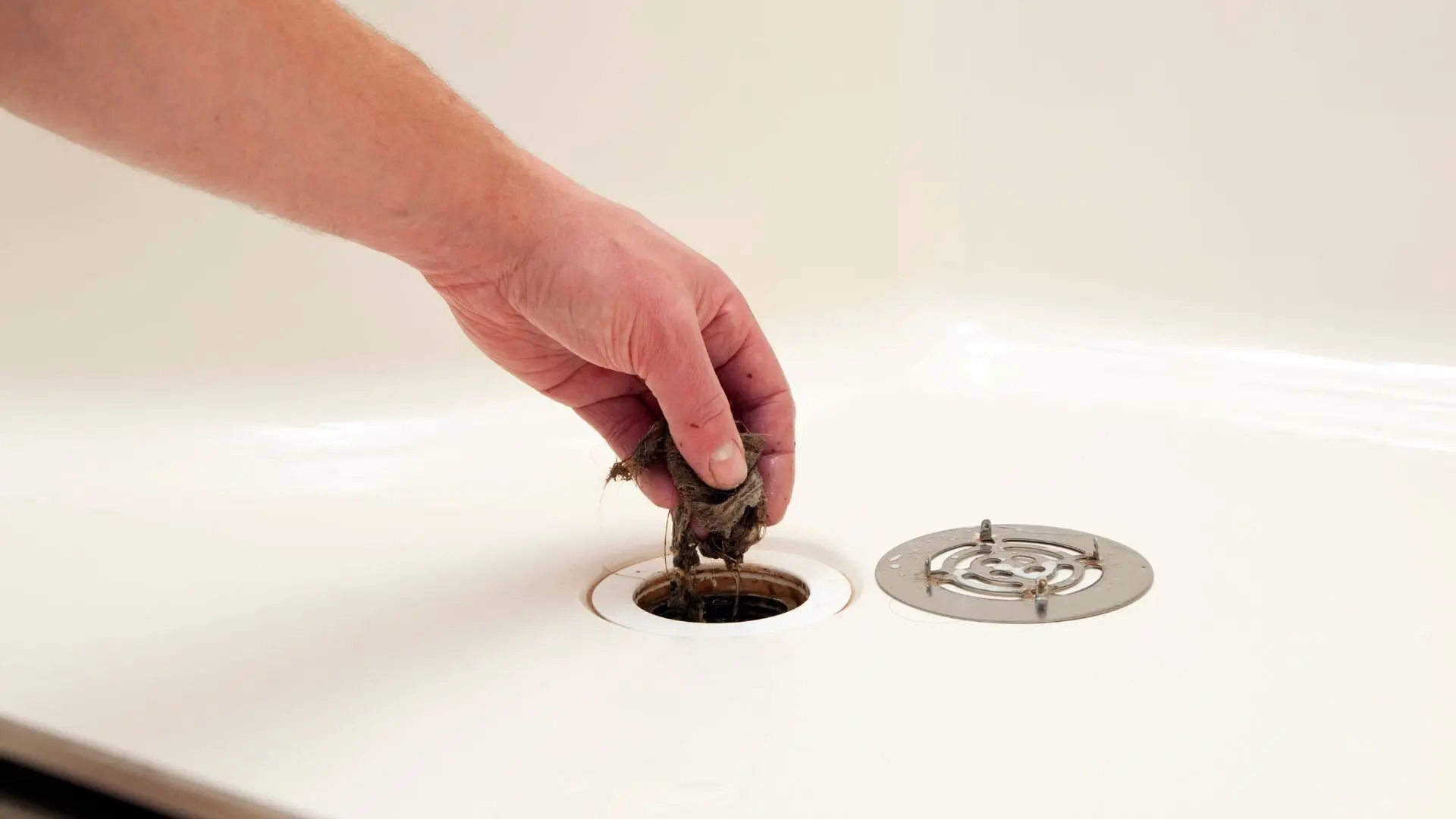
Think about using a drain snake, plunger, or even a bent wire hanger to fish out hair and other debris from your drain. Doing this can help prevent blockages and keep water flowing smoothly.
Using a Drain Snake
- Insert the snake: Carefully feed the end of the snake into the drain until you feel resistance.
- Rotate the snake: Turn the handle clockwise to break through the clog or to catch debris.
- Push and pull: Gently push and pull the snake to loosen the blockage.
- Remove the snake: Pull the snake out of the drain, bringing any debris.
- Dispose of debris: Clean the snake and dispose of any hair or debris caught on it.
Using a Bent Wire Hanger:
- Straighten the hanger: Unwind a wire hanger, leaving a small hook at one end.
- Insert into drain: Carefully push the hooked end into the drain.
- Pull out hair: Twist and pull gently to snag hair clogs.
- Dispose of debris: Remove and dispose of any hair caught.
Using a Plunger:
- Seal overflow: Cover any overflow openings with a wet cloth.
- Position plunger: Place the plunger over the drain, ensuring a good seal.
- Plunge vigorously: Push and pull rapidly for about 20 seconds.
- Check drainage: Remove the plunger and test the drain flow.
Inspect Drains Regularly
Take a few moments each week to inspect your drains for signs of slow drainage or unusual odours. Early detection of these issues can help you address potential blockages before they worsen.
Use a Natural Enzyme Cleaner
Once a week, apply an enzyme cleaner to break down organic material without chemicals. This eco-friendly approach maintains a clean and healthy drain system.
When to Call a Professional
One key indicator is when water drains slowly or not at all, despite attempts to clear it with over-the-counter solutions or a plunger. A consistently blocked drain or drain clog could suggest a deeper blockage in the plumbing system that requires specialised tools to resolve.
If you catch unpleasant odours wafting up from your drain plug, it might mean hair and soap scum build-up that’s too tough for household cleaners. In these cases, you might try to pour boiling water down the drain to help loosen the debris or use a wire coat hanger to manually remove visible clogs. If that doesn’t help, a commercial drain cleaner might be used, though with caution—especially if a chemical reaction could damage older pipes.
Hearing strange gurgling noises as the water drains? This could indicate a shower drain clog or trapped air in the pipes, calling for expert evaluation.
Recurring clogs raise another red flag. If you repeatedly deal with the same issue, it might indicate a more serious underlying problem. Tree roots may have infiltrated the pipes, or the pipes may have suffered damage. Professionals can adjust the water level in connected fixtures or inspect the line to locate the issue accurately.
If several drains are backing up at once, it might indicate a mainline blockage, which needs quick professional attention to prevent water damage. Getting these problems sorted swiftly by experts can save time, money, and stress down the line.
Keep Your Drains Flowing, Stress-Free
Keeping your shower drains in top shape is key to ensuring they flow smoothly and without stress. Regular care—like removing hair and debris, using a natural cleaner, and watching what goes down your drains—can help you avoid blockages and expensive fixes. And when problems pop up, it’s important to know when it’s time to call in the pros.
Silver Drains and Plumbing is your trusted partner in managing blocked shower drains. With a team of skilled professionals and a commitment to excellent customer service, Silver Drains and Plumbing offers reliable solutions tailored to your needs.
Whether dealing with a stubborn shower clog or seeking regular maintenance, our expertise ensures your drains remain in top condition. Contact Silver Drains and Plumbing today to learn more about their services and keep your shower drains flowing effortlessly.
Published by: Kamran Khan26 August 2025