Last Update:
Hot water systems in Australian homes typically last between 8 and 20 years, depending on the type of system, water quality, and level of maintenance. Electric storage systems usually last 8–12 years, while gas and heat pump systems can last 10–15 years. Continuous flow and solar systems often have the longest lifespan, reaching up to 20 years.
Regular maintenance, proper installation, and lower water usage can help extend the life of your system. Common signs a hot water system is nearing the end of its lifespan include inconsistent water temperature, reduced hot water supply, leaks, and rising energy bills.
If your system is over 10 years old and experiencing frequent issues, replacement is often more cost-effective than ongoing repairs.
How Long Do Hot Water Systems Last in Australian Homes?
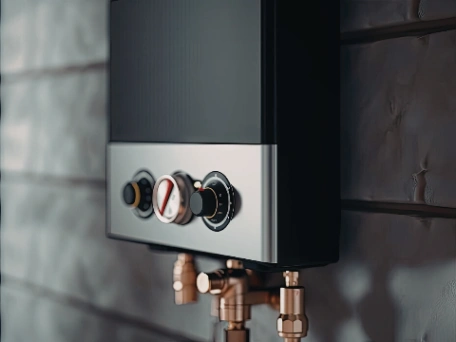
Hot water systems are built to last, but they don’t last forever. If you’re wondering how long do hot water systems last, the answer depends on the type of system, water quality, and how well it has been maintained.
In most Australian homes, the average lifespan of hot water systems ranges between 8 and 20 years. However, the actual lifespan can vary depending on the type of system and how often it is used.
Understanding the lifespan of your hot water system can help you plan for replacement and avoid unexpected hot water system failure.
Average Lifespan of Hot Water Systems by Type
Different hot water systems have different life expectancies. Here’s a simple breakdown of the typical lifespan for each type of system.
Electric Storage Hot Water Systems
Electric systems are one of the most common systems in Australia. These systems use a storage tank to heat water.
- Average lifespan: 8–12 years
- Common issues: corrosion, heating element failure, tank wear
Electric storage tanks can wear out over time, especially if water quality is poor or maintenance is not carried out regularly.
Gas Hot Water Systems
Gas systems heat water quickly and are often used in homes with higher hot water demand.
- Average lifespan: 10–15 years
- Common issues: burner faults, gas supply issues, wear over time
Gas storage water heater systems tend to last longer than electric systems when properly maintained.
Heat Pump Hot Water Systems
Heat pump systems use heat from the air to heat water, making them energy efficient.
- Average lifespan: 10–15 years
- Higher efficiency and lower energy use
Many homeowners ask how long do heat pump hot water systems last, and the answer depends on usage and maintenance. With proper maintenance, these systems can last well over a decade.
Continuous Flow and Tankless Systems
Continuous flow water heaters, also known as tankless systems, heat water on demand.
- Average lifespan: 15–20 years
- No storage tank means less corrosion
These systems often have a longer operational life because they do not rely on a storage tank.
Solar Hot Water Systems
Solar systems use energy from the sun to heat water.
- Average lifespan: 15–20 years
- Can vary depending on system design and usage
Many people ask how long do solar hot water systems last, and with proper maintenance, they can provide long-term performance and savings.
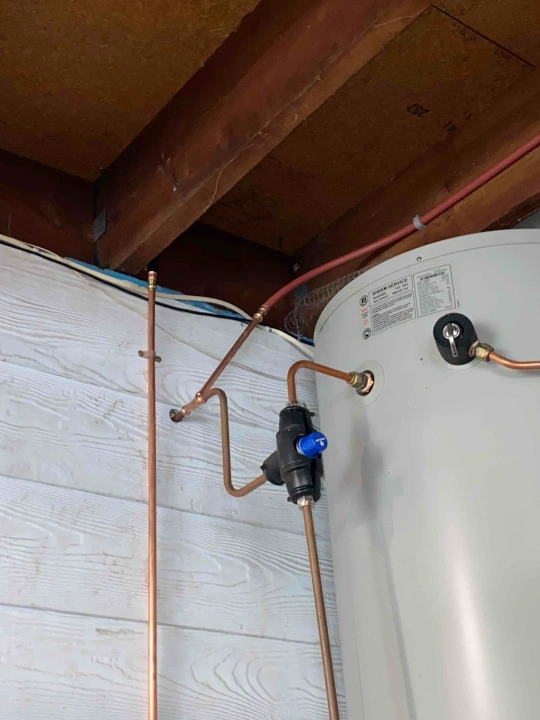
What Affects the Lifespan of a Hot Water System
Several factors can impact how long your hot water system lasts.
Water Quality
Water quality plays a major role in system lifespan. Hard water can cause mineral build-up inside the tank, leading to corrosion and reduced efficiency. Learn more about how water filters improve water quality.
Usage and Hot Water Demand
Homes with higher hot water demand will put more strain on their systems, reducing overall life expectancy.
Installation Quality
Proper hot water system installation is critical. Poor installation can lead to early failure and ongoing plumbing issues.
Maintenance and Servicing
Regular maintenance helps extend the life of your system. Without proper maintenance, systems can fail much earlier than expected.
Signs Your Hot Water System Is Near the End of Its Life
Most systems don’t stop working suddenly. Instead, they show signs of wear over time.
Look out for:
- Running out of hot water quickly
- Inconsistent water temperature
- Rusty or discoloured water
- Leaks around the tank
- Rising energy bills
- Strange noises from the system
If you notice these issues, your system may be approaching the end of its lifespan.
Repair or Replacement: What’s the Right Choice?
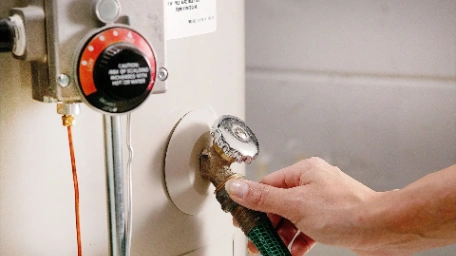
In some cases, hot water repairs can fix the issue. However, if your system is older or breaking down often, replacement is usually the better option.
As a general guide:
- Under 7 years → repair may be suitable
- Over 10 years → replacement is often more cost-effective
Replacing your hot water system can improve efficiency, reduce energy bills, and provide a more reliable hot water supply.
How to Extend the Life of Your Hot Water System
You can increase the lifespan of your system with proper care.
Regular Maintenance
Routine maintenance helps prevent major issues and keeps your system running efficiently.
Flushing the Tank
Flushing the tank removes sediment build-up and improves performance. See our guide on How to Safely Flush a Hot Water System.
Checking Components
Inspecting valves, heating elements, and connections helps avoid unexpected breakdowns.
Professional Servicing
Working with licensed plumbers ensures your system is serviced correctly and safely.
Hot Water Heater Lifespan and System Longevity
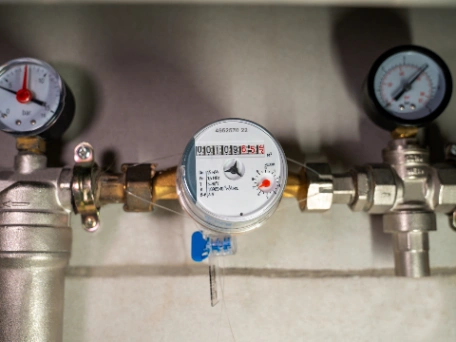
The lifespan of a hot water heater depends on how well it is maintained and the type of system installed. A well-maintained hot water unit can last many years, while neglected systems often fail early.
The average life expectancy of a hot water system is influenced by usage, water quality, and the frequency of maintenance. Systems with regular servicing generally have better longevity and more reliable performance.
Hot Water Tanks and Storage Tank Lifespan
Hot water tanks are one of the most common system types in Australian homes. These systems rely on a storage tank to hold and heat water for daily use.
Over time, hot water tanks can wear out due to corrosion, sediment build-up, and constant heating and cooling. The lifespan of storage tanks depends on the material used, such as stainless steel tanks or copper tanks.
A quality tank that is properly maintained will usually last longer and provide more consistent hot water.
Do Tankless Systems Last Longer?
Tankless systems, also known as continuous flow systems, often last longer than traditional tank systems because they do not store water.
Without a storage tank, there is less risk of corrosion and internal damage. This gives tankless models a longer operational life compared to traditional systems.
How Long Do Hot Water Systems Last in Australia?
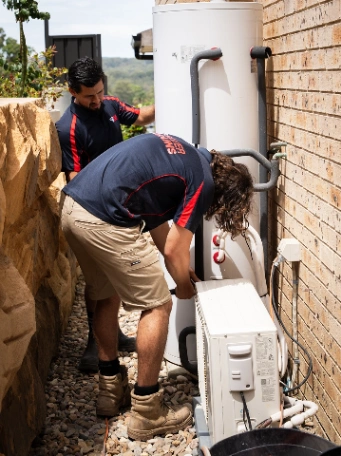
In Australia, hot water systems can be affected by local conditions such as water quality, climate, and usage.
Homes with hard water or high usage may experience shorter system life, while well-maintained systems can last longer than average.
Choosing the right system and maintaining it properly is key to getting the most value from your investment.
Hot Water System Warranty and Expected Life
Most hot water systems come with a warranty that reflects their expected lifespan. A standard hot water system warranty can range from 5 to 12 years depending on the brand and type of system.
While the warranty gives a general guide, the actual lifespan of your system depends on real-world factors like usage and maintenance.
Understanding your system’s warranty can help you plan for replacement before major issues occur.
Frequency of Maintenance and System Performance
The frequency of maintenance plays a major role in how long hot water systems last.
Regular maintenance helps:
- Reduce wear on components
- Improve energy efficiency
- Prevent hot water issues
- Extend the life of the system
Without proper maintenance, even high-quality systems can fail earlier than expected. Routine servicing from local plumbers helps keep your system running properly.
Continuous Flow and Instantaneous Hot Water Systems
Hot water continuous flow systems, also known as instantaneous hot water systems, heat water only when needed. This reduces wear on the system and often increases lifespan.
Many homeowners ask how long do instant gas hot water systems last. These systems can last longer than traditional tank systems because they avoid internal tank corrosion.
Instantaneous systems are a good option for homes looking for long-term efficiency and reliability.
Electric and Gas Systems in Australian Homes
Electric and gas systems are the most common types of hot water systems used in Australia.
Electric systems are simple and reliable but may have a shorter lifespan if not maintained properly. Gas systems, including gas storage and continuous flow systems, often last longer when regularly serviced.
Choosing the right type of system for your home can improve both lifespan and energy efficiency.
When to Plan for Hot Water System Replacement
If your system is approaching the end of its typical lifespan, it is a good idea to start planning for replacement.
Waiting until the system fails completely can lead to emergency situations, especially if you suddenly lose hot water.
Upgrading to a new system can improve energy efficiency, reduce maintenance costs, and provide reliable hot water for years to come.
When Hot Water Issues Become More Frequent
As a system ages, hot water issues often become more common. You may notice:
- Reduced hot water supply
- Slower heating times
- More frequent repairs
- Higher energy bills
These signs usually indicate that your system is nearing the end of its life and may need replacement.
Expert Advice from Local Plumbers
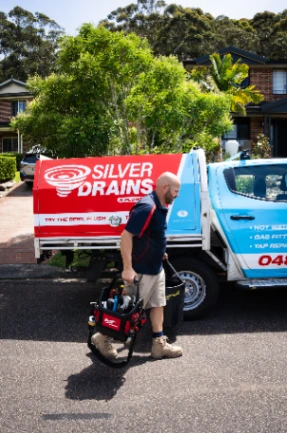
Getting expert advice from local plumbers can help you better understand your system’s condition.
Our team can assess your hot water system, check for signs of wear, and recommend the best course of action. Whether you need maintenance, repairs, or replacement, professional plumbing services ensure your system is handled correctly.
Need Help with Your Hot Water System?
If you are unsure about the condition of your hot water system, our team can help.
We provide expert advice, hot water repairs, and hot water system replacement services across the Central Coast, and Newcastle.
Book now online or call 0480 020 848 to speak with our team and get reliable hot water solutions.
Published by: 13 April 2026