Last Update: 18 September 2025
If you are experiencing drainage problems on your residential or commercial property, don't stress, as there are a few very innovative solutions to resolve the problem. One very effective yet affordable solution is to have a trench drain installed to help keep your backyard from flooding and your lawns and gardens looking amazing.
So what exactly is a Trench Drain?
A trench drain is relatively simple in design and often referred to as a channel drain. Installed at the surface level, it's an ideal solution where large volumes of water need to be redirected. Areas that are prone to pooling water, such as driveways, patios, and around swimming pools, are highly effective in managing surface water, preventing property damage, and improving safety.
The straightforward design features a shallow, linear channel made from metal, plastic, or concrete, with a removable grate to enable maintenance and keep the channel clear. When surface water is collected, it will then be directed into a pipe or stormwater outlet.
Key Benefits of Trench Drains:
- Prevents Water Damage: Redirects surface water away from your property, reducing the risk of foundational damage.
- Reduces Pooling and Slip Hazards: Keeps surfaces dry and safe, especially in areas with high foot or vehicle traffic.
- Enhances Property Value: Proper drainage can add to the functionality and appeal of your property.
How do Trench Drains Work?
Trench drains are a smart, simple way to control surface water and prevent flooding or water damage. Basically, water enters the trench through the open grate, travels along the sloped channel, and exits safely through the connected drainage system, such as stormwater.
✔️Design & Placement: A trench drain is essentially a long, narrow channel installed at ground level or slightly below. It’s placed where water tends to pool, like driveways, patios, around buildings, or in commercial areas.
✔️Collection: The open top of the trench drain allows water to flow directly into the channel. Its sloped design ensures that water naturally moves toward one end of the trench.
✔️ ChannellingInside the trench, the water travels through the channel. The trench is typically made of durable materials, such as concrete, metal, or high-strength plastic, to withstand heavy water flow and resist damage.
✔️Drainage Outlet At the end of the trench, water exits into a stormwater system, drainage pipe, or soakaway pit. This prevents water from pooling on the surface and reduces the risk of erosion, flooding, or slip hazards.
✔️Grates: Most trench drains have a removable grate on top. This keeps debris out while allowing water to enter easily, and makes maintenance simple, just lift the grate and clear any blockage if needed.
Signs you need a Trench Drain?
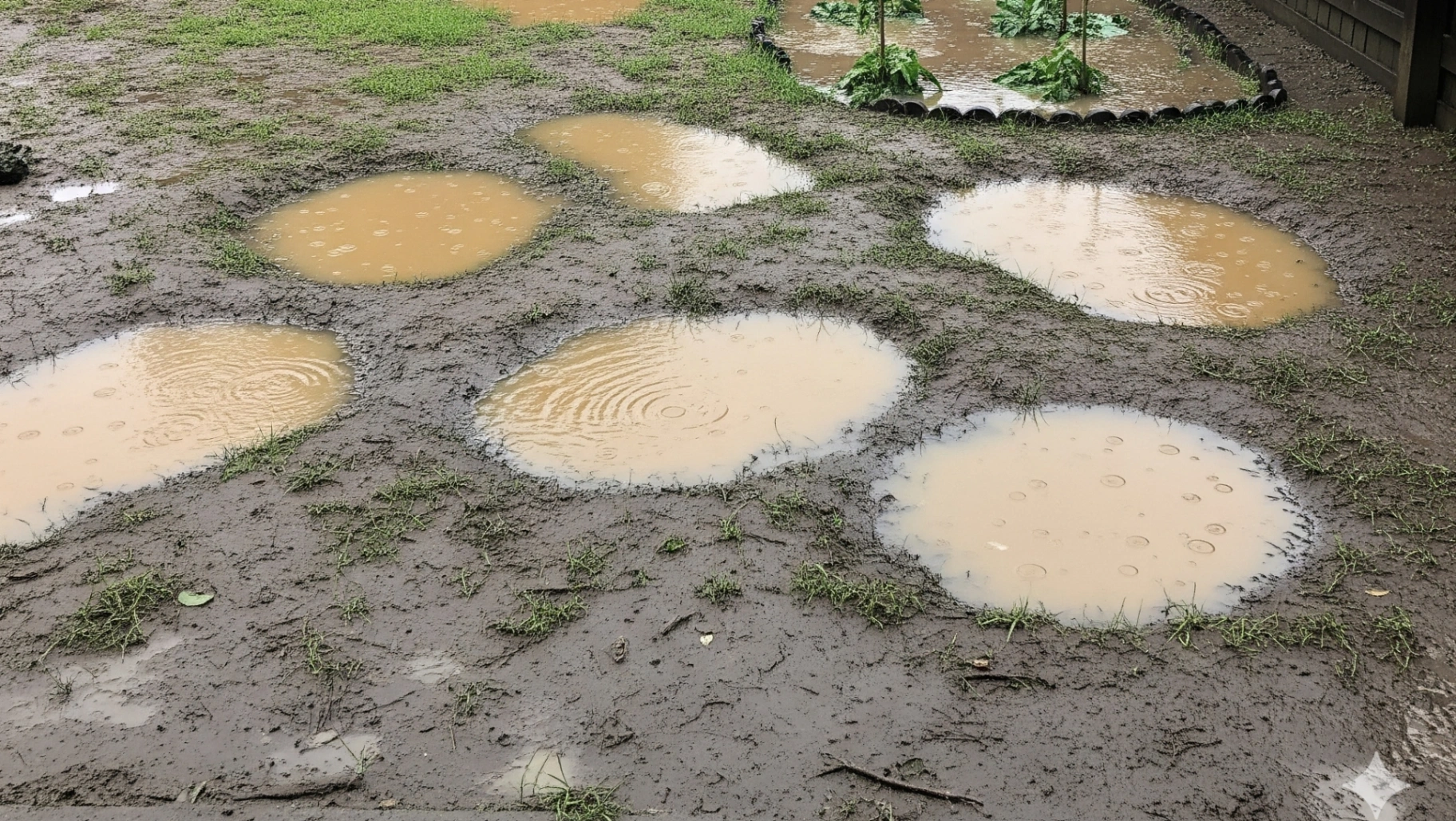
There are a few telltale signs you need to have a trench drain installed. If you notice any of these signs, consult a drainage specialist who can guide you through the best drainage solutions. In most instances, a Trench drain will do the trick. Common signs include:
- Water pooling around your property
- Soil erosion and movement
- Stagnant water that is attracting mosquitoes
- Soggy, fast-growing grass
- Mould and mildew growth around your property
- Damp stains on your walls or floors
- Cracks in your retaining walls
- Water is overflowing from your gutters and downpipes when it rains
- Flooding or damage to driveways
- Slippery surfaces such as paths and roads
- Unpleasant-smelling water in low-lying areas
- Excessively wet gardens and lawn
How is a Trench Drain Installed
Having a trench drain installed by a drainage specialist will ensure correct installation and guarantee your trench drain functions efficiently even through the heaviest rain. The project will start with a comprehensive assessment to understand your property’s specific drainage requirements and your expectations. Steps as follows:
✔️Site Assessment
✔️Drainage Channel Design
✔️Excavation and Installation
✔️Final Testing
Trench Drain Features
Trench drains, although simple, offer options in the materials from which the trench and grate are made. The material you choose will depend on where the drain is to be installed, weather elements, and budget. Features include
- Channel Options: Choose from a variety of channel options to match your property’s design and drainage needs.
- Stainless Steel Drains: For a sleek, rust-resistant option, stainless steel drains provide a durable solution.
- Drain Grates: Made from materials that are safe, slip-resistant, and perfect for keeping objects and debris.

Frequently Asked Questions About Trench Drains
What is a trench drain?
A trench drain is a surface-level linear drainage system used to direct water away from an area, preventing pooling and potential water damage.
What is the difference between a channel drain and a trench drain?
A channel drain is a type of trench drain, but generally refers to systems with a continuous, linear drainage path. Trench drains often have specific grates or covers over the channel to prevent debris from entering.
What is the disadvantage of trench drain?
While trench drains offer effective surface water management, they can be prone to clogging without regular maintenance.
What's better, a French drain or a trench drain?
A trench drain is ideal for surface water management, while a French drain is designed to address subsurface water issues.
For expert advice on trench and French drains or to book an installation reach out to the Silver Drains and Plumbing team today.
Reference : https://en.wikipedia.org/wiki/Trench_drain
Published by: Shakayla Yelland18 September 2025