Last Update: 26 August 2025
Plumbing emergencies, like burst pipes or severe leaks, can cause thousands of litres of water waste and extensive damage in minutes. Acting swiftly to shut off your home's water supply is crucial to prevent catastrophic flooding, structural damage, mould growth, and electrical hazards. This guide provides essential knowledge for every homeowner, detailing why fast action matters and how to effectively minimise damage during a crisis.
Learn to identify common plumbing emergencies and understand the various water shut-off points in your home, including the main valve, indoor supply valves, and individual fixture valves. A step-by-step process ensures you can safely and efficiently cut off the water supply, reducing stress and protecting your property while you await professional help. The article also covers vital actions to take immediately after shutting off the water, such as mopping up and ventilating, and offers proactive tips to prevent future plumbing disasters through regular maintenance and inspections.
Knowing these steps can save you significant money and stress. While initial emergency response can be DIY, complex repairs require licensed plumbers. Stay calm, follow the guide, and don't hesitate to call professionals like Silver Drains and Plumbing for expert assistance.
A burst pipe spraying water can waste thousands of litres in minutes, and according to the EPA, household leaks can account for nearly 10,000 litres of wasted water every year if left unchecked. In less than an hour, a minor leak can escalate into a full-blown plumbing emergency, causing water to seep into walls and floors, leading to health hazards, structural damage, and costly repairs.
Knowing how to shut off the water supply during a plumbing crisis can make all the difference, reducing stress and protecting your home while waiting for an emergency plumber to arrive. It’s not just about avoiding high water bills; it’s about preventing catastrophic flooding, avoiding electrical hazards, and maintaining the safety of your family.
Why Acting Fast Matters During a Plumbing Emergency
The moment a plumbing emergency hits, fast action can mean the difference between a minor inconvenience and thousands spent on plumbing repairs.
Water damage spreads quickly, soaking into carpets, cabinetry, and plasterboard, leading to mould growth and structural damage. It’s often the hidden water supply pipes and plumbing fixtures behind walls that cause the most expensive repairs when ignored.
Imagine arriving home after work to find water pooling under your kitchen sink, running along the cold water inlet pipe and hot water outlet pipe, dripping into cupboards, and creeping towards your electrical appliances.
Panic can easily set in, but knowing how to shut off the water at the main shut off valve, or using individual shut off valves under the sink, can instantly minimise damage while waiting for your professional plumber.
Fast action helps avoid electrical hazards and reduces the risk of health hazards caused by standing water. The plumbing system in your home is designed to handle water flow in a controlled manner, but when a pipe bursts unexpectedly, acting quickly is essential to avoid catastrophic flooding and structural damage.
Not knowing how to locate your water shutoff valve or your water meter box during a plumbing emergency can lead to costly repairs that could have been avoided. Every homeowner should regularly inspect their plumbing system, know where the water shut off points are, and test these valves to ensure they operate smoothly when an emergency occurs.
Need Help From a Specialist?
Common Plumbing Emergencies That Need Quick Action
Plumbing emergencies can happen without warning and can escalate rapidly if you don’t act immediately. Here are common scenarios requiring urgent action:
- Burst pipes : A burst water pipe can flood your home in minutes, particularly when water supply pipes are under pressure. Look for sudden drops in water pressure, wet patches on walls, or the sound of water running when taps are off.
- Overflowing toilet : A blocked toilet that won’t stop filling can overflow quickly, causing water damage and potential health hazards. Shut off the isolation valve near the toilet base immediately.
- Hot water system leaks : A leaking water heater can lead to significant water damage. Watch for water pooling around your hot water system, dripping from the cold water inlet pipe or hot water outlet pipe.
- Washing machine hose failures : Hoses behind washing machines can burst or disconnect unexpectedly. If you see water pooling around your laundry or hear hissing sounds, turn off the water supply immediately.
- Tap leaks : Kitchen sink or bathroom tap leaks may seem minor, but if left unchecked, they can escalate into a plumbing crisis. A leak at the base of a tap can indicate a failed washer or a crack in the fixture.
- Underground pipe leaks : Wet patches in your yard, even during dry weather, could indicate a leak in underground plumbing. It’s often near your local council cover plate or along the water supply line.
- Slab leaks : These occur under your home’s concrete slab, often indicated by warm spots on the floor, damp carpets, or a sudden increase in your water bill.
Signs you need to shut off the water include visible leaks, water pooling around fixtures, or unexplained moisture in walls or floors. Using fixture valves, the t top isolation tap, or the main valve, can prevent further damage while you arrange plumbing repairs with a professional plumber.
Knowing Your Home’s Water Shut-Off Points
Your home has multiple water shut-off points to help manage water flow during a plumbing emergency. The most important is your main shut off valve, which controls the water supply to your entire house. It is typically located near your water meter box under a local council cover plate, along your front boundary, or near your outdoor tap.
Some properties also have an indoor supply valve or isolation valve under the kitchen sink or in the laundry, allowing you to isolate specific plumbing fixtures or appliances like your hot water system or washing machines.
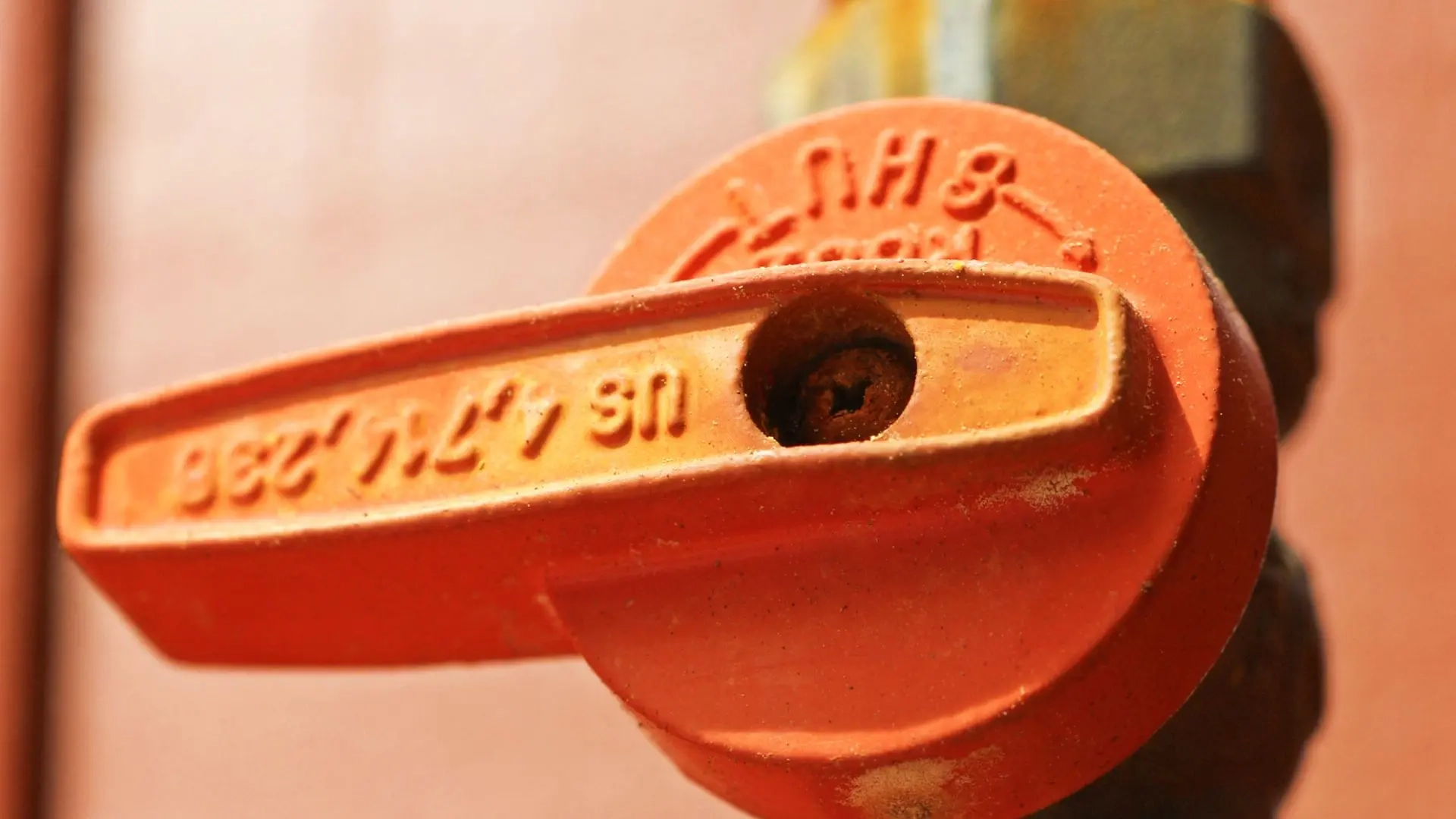
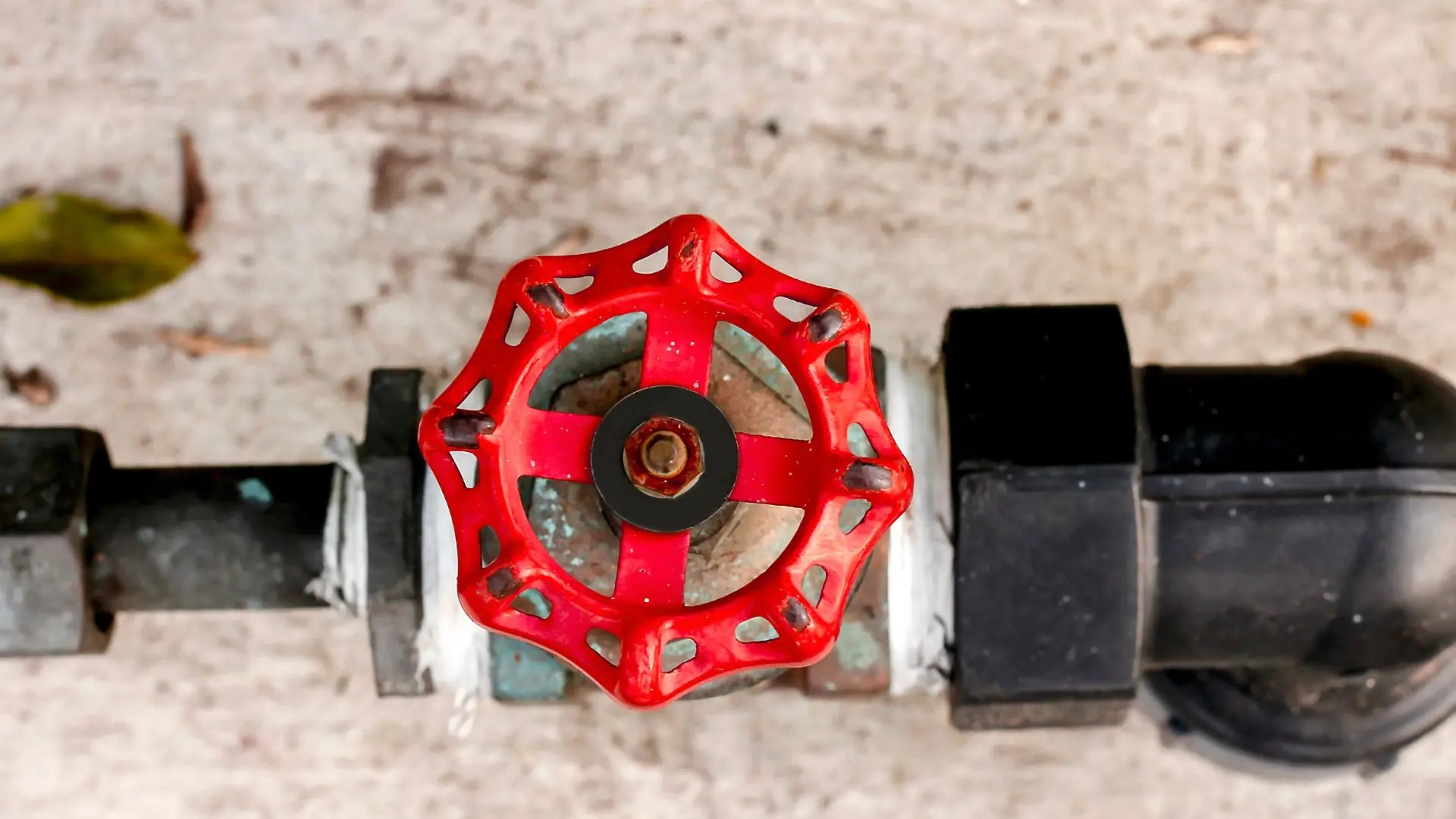
Fixture valves or ball valves are found on pipes under sinks, toilets, and near appliances, allowing you to stop water flow to individual fixtures without affecting the entire house. Older homes may have gate valves, which require turning multiple times to stop the flow.
To test your valves before an emergency occurs:
- Locate the valve and turn it clockwise to shut off the water supply.
- Open a tap to ensure the water flow has stopped completely.
- If the valve is stiff, apply gentle pressure using a wire coat hanger or a valve key, but avoid using excessive force.
- Regular maintenance includes checking valves every few months to ensure they operate smoothly.
Knowing where these valves are located and how to operate them can help prevent plumbing disasters, save you money on costly repairs, and reduce stress during a plumbing emergency.
Step-by-Step Guide to Shutting Off Water Safely
Stay calm and assess the situation.
Check where the leak is coming from, whether it’s a burst water pipe, overflowing toilet, or leaking hot water system.
Locate the main shut off valve.
This is typically near your water meter, under the council cover plate, or near your outdoor tap.
Turn the valve clockwise.
This will stop the water supply to your entire house. If the leak is isolated to a specific fixture, use the fixture valve or the t top isolation tap to isolate the plumbing issue.
Check taps and fixtures.
Confirm that the water flow has stopped throughout your home, especially around the kitchen sink and bathroom plumbing fixtures.
If water continues to leak, shut off the hot water system.
Locate the isolation valve on your water heater and turn it clockwise.
Wear protective gloves.
This helps avoid contact with contaminated water during clean-up.
Keep a valve key nearby.
It will help you open or close hard-to-reach valves easily.
Use a torch if the power is out.
Plumbing emergencies can happen during storms, so having a torch ready helps you see clearly while shutting off valves.
Don’t use excessive force.
Applying too much pressure may break the valve, turning a minor leak into a major plumbing crisis.
Following these steps will help you handle a plumbing emergency effectively while waiting for your emergency plumber to arrive.
What to Do After Shutting Off the Water
Once the water supply has been shut off:
- Mop up excess water to prevent further damage and reduce the risk of health hazards from standing water.
- Move valuables away from the affected area, especially electrical appliances and personal items, to avoid further damage and electrical hazards.
- Ventilate the area using fans or open windows to dry out moisture and prevent mould growth.
- Check the surrounding areas, like adjoining rooms, for water seepage under carpets or along skirting boards.
- Contact a professional plumber immediately. While you can manage the initial emergency, plumbing repairs and inspecting the plumbing system for further damage require a licensed plumber.
Quick action after shutting off the water supply helps protect your home, avoid future plumbing emergencies, and minimise the risk of structural damage during a plumbing crisis.
Prevent Future Plumbing Disasters
Taking proactive measures can save your home from plumbing disasters and expensive repairs:
- Regularly inspect pipes for corrosion, leaks, or worn fixtures around your home.
- Test your shut-off valves periodically to ensure they operate smoothly, especially the main valve and fixture valves.
- Avoid flushing items like wet wipes or sanitary products that can cause blocked drains and lead to an overflowing toilet.
- Install a water leak detection system if possible, which can alert you to hidden leaks in your plumbing system.
- Schedule routine plumbing inspections with a professional plumber to catch minor issues before they turn into costly plumbing emergencies.
- Replace old washing machine hoses with quality stainless-steel braided hoses to prevent sudden bursts.
- Keep your hot water system maintained by having it inspected regularly to avoid leaks from the cold water inlet pipe or hot water outlet pipe.
Preventing future plumbing emergencies involves simple, regular maintenance that protects your home, reduces stress, and helps you avoid the chaos of a plumbing crisis.
Keep Calm and Call the Pros
Knowing how to shut off the water during a plumbing emergency can make all the difference in protecting your home and family. Staying calm, acting quickly, and understanding the shut-off process allows you to minimise damage while avoiding health hazards and costly repairs.
There’s a time for DIY, and there’s a time to bring in a professional plumber. For immediate help during a plumbing emergency, contact Silver Drains and Plumbing today. Our team is ready to assist with fast-response emergency plumbing services across your area to keep your home safe and dry.
Published by: Kamran Khan26 August 2025