Last Update: 26 August 2025
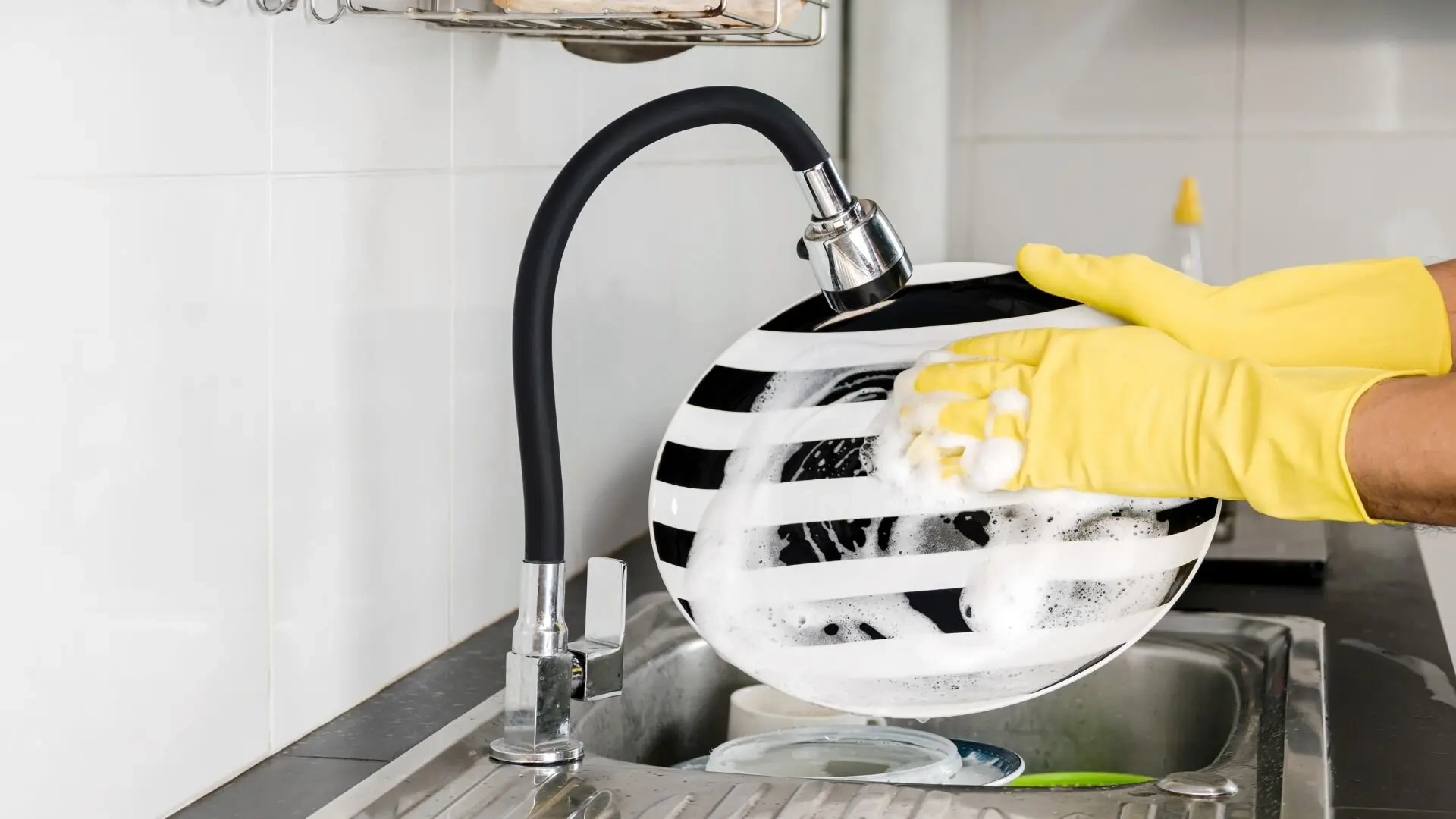
Grease, a common byproduct of cooking, is a major culprit behind kitchen drain blockages, accounting for a significant percentage of sink issues. Initially liquid, it solidifies as it cools in pipes, creating sticky residues that trap food particles and debris. This buildup narrows pipes, slows water flow, and ultimately leads to stubborn clogs that are difficult to remove due to grease's hydrophobic nature and its tendency to bind tightly to pipe walls.
Homeowners should be vigilant for warning signs such as slow-draining water, gurgling sounds from pipes, and persistent foul odours. Relying on temporary fixes like boiling water or baking soda and vinegar mixtures often doesn't provide a long-term solution for recurring grease clogs.
Preventive measures are key to maintaining a healthy plumbing system. These include scraping plates into the bin before rinsing, using grease traps, and properly disposing of used cooking oil. Regular cleaning with hot water and dish soap or a baking soda and vinegar solution can help break down minor grease residues, reducing the need for harsh chemical drain cleaners that can damage pipes.
Ignoring grease blockages can lead to expensive plumbing repairs, pipe replacements, and even broader sewer line issues, causing significant inconvenience and environmental harm. For persistent or severe blockages, professional drain cleaning services, such as those offered by Silver Drains and Plumbing, are highly recommended. Experts utilize advanced tools like hydro-jetting to effectively remove grease clogs without damaging your plumbing, ensuring long-lasting results and peace of mind.
Taking proactive steps today to manage grease disposal and schedule routine maintenance will safeguard your home from the frustrations and costs associated with clogged drains.
Yorkshire Water highlights that 20% of sink blockages stem from fat and grease build-up. But what is grease, and why does it cause so much trouble for our kitchen drains?
Grease—a common byproduct of cooking oils, butter, and fatty foods—often sneaks into our drains when we wash dishes. Initially liquid, it begins to cool and solidify as it journeys through the pipes, forming sticky residues that catch debris. Over time, these deposits build up, narrowing the pipes and slowing water flow, ultimately leading to pesky blockages.
Unlike other substances, grease is particularly troublesome for plumbing systems because it binds tightly to pipe walls, making it hard to remove. Left untreated, it can lead to expensive repairs and environmental harm.
It’s essential for homeowners to grasp how grease affects drains. Taking straightforward steps, such as responsibly disposing of fats, can save you from the headache of clogged sinks and expensive plumbing problems.
How Grease Accumulates in Kitchen Drains
Grease-related kitchen drain blockages happen more often than you might think, mainly due to improper disposal of cooking oils and food scraps. Understanding how grease affects your plumbing can really help you avoid hefty repair bills.
Sources of Grease in the Kitchen
Everyday culprits like cooking oil, butter, and hot grease contribute to buildup. When we wash dishes or pour grease down the drain, grease and food particles gather in the sink trap and pipes, leading to pesky blockages.
How Grease Solidifies and Clogs Pipes
When grease cools in your pipes, it solidifies and clings to the walls. Even small traces can lead to buildup, mingling with food debris and soap, to slow water flow. Eventually, this results in a clogged sink, sluggish drainage, and unpleasant smells.
Need Help From a Specialist?
The Science Behind Grease Blockages
Grease blockages are a common plumbing issue, often caused by pouring grease down the drain. Understanding how grease interacts with the plumbing system reveals why proper grease disposal is essential for maintaining clear drains.
Grease’s Hydrophobic Nature
Grease, including cooking oil and cooking grease, is hydrophobic, meaning it does not mix with water. When hot grease is poured into the kitchen sink drain, it flows easily with the water. However, as the grease cools, it solidifies, sticking to pipe walls. Even small amounts of solidified grease contribute to grease buildup, restricting water flow and leading to blocked drains.
Temperature and Solidification
Hot grease from washing dishes initially moves through the sink drain, but as it travels further into the drain system, it cools. Grease solidifies, combining with food particles, food scraps, dish soap, and solid waste. This creates grease clogs that result in slow drainage, clogged sinks, and foul odours.
Impact on the Plumbing System
Over time, grease builds up, leading to serious blockages that damage your drainage system and call for professional cleaning. You might try hot or boiling water, or even a baking soda and vinegar mix, to clear minor clogs. But be wary of harsh chemicals; those commercial cleaners can really take a toll on your pipes.
Environmental Consequences
Grease blockages don’t just stop at your sink. They can lead to bigger sewer issues and environmental harm. Regular upkeep, like using a grease trap and disposing of grease with paper towels or recycling, helps prevent these problems down the line.
Catching food particles in the sink trap, avoiding chemical drain cleaners, and scheduling professional drain cleaning services are vital for maintaining a healthy plumbing system and preventing costly repairs.
Warning Signs of Grease-Related Drain Blockages
Grease clogged drains in the kitchen can lead to major plumbing issues if not addressed promptly. Look out for these warning signs to avoid complete blockages and costly repairs.
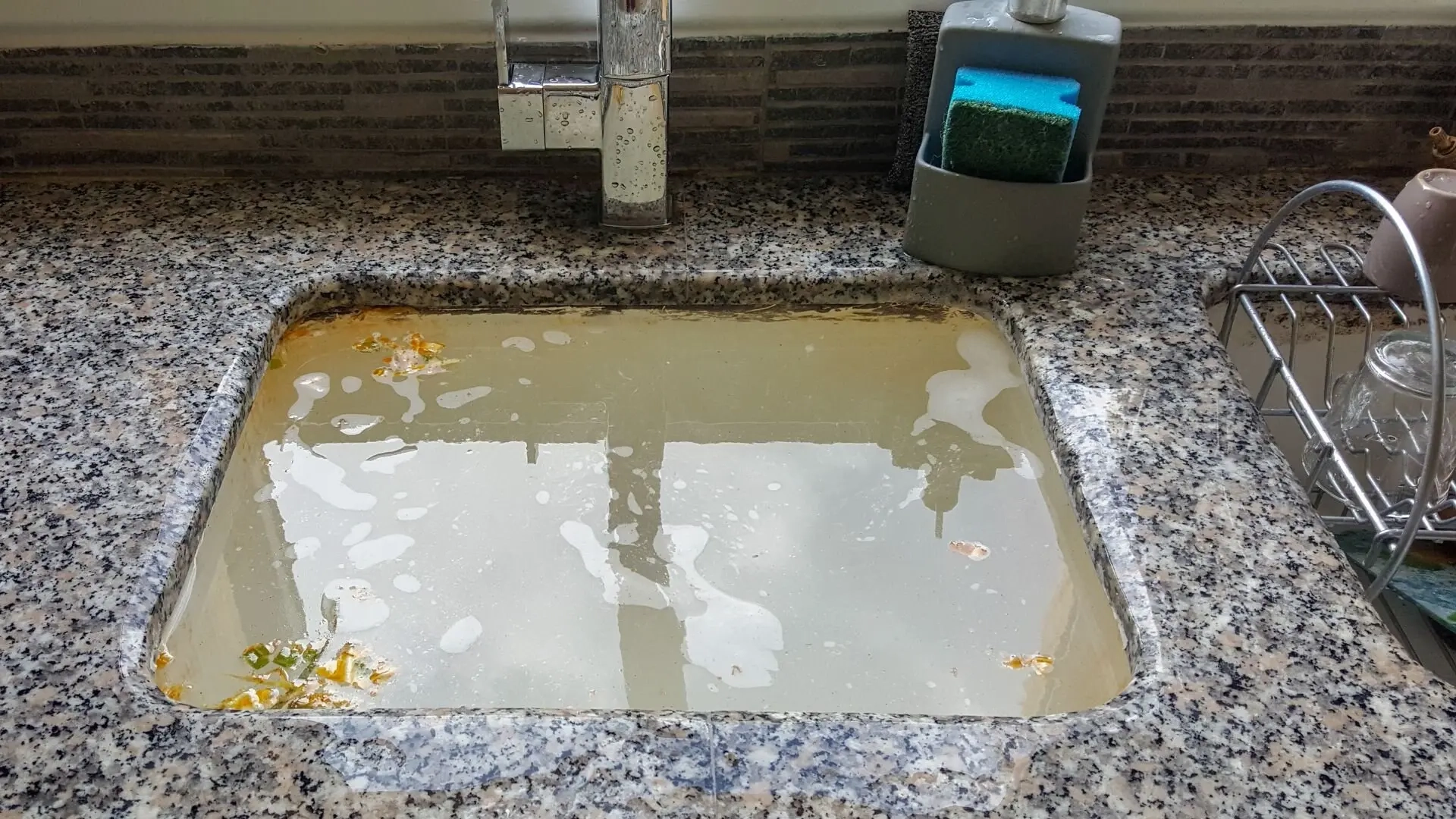
Slower Draining Water
Notice your sink draining slowly? That’s often the first sign of grease build-up. As clogs form, they restrict water flow, causing those pesky delays in drainage.
Gurgling Sounds
Gurgling sounds from the kitchen sink or pipes signal that air is trapped due to blocked drains. This is a common sign of a grease clogged drain.
Foul Odours
Persistent foul odours from the sink drain often result from grease trapping food debris in the grease trap. This can worsen without regular maintenance.
Frequent Temporary Fixes
If you’re using boiling water, baking soda, vinegar, or hot water frequently to clear clogs, the issue may be a recurring grease clog. While these methods can dissolve minor blockages, they don’t provide a long-term solution.
Avoid pouring used cooking oil down the drain and ensure routine cleaning. Proper disposal and regular maintenance of the garbage disposal and grease trap can prevent future blockages. Avoid chemical drain cleaners, as they may damage pipes. Instead, opt for white vinegar or boiling hot water for safe cleaning.
Preventive Practices to Avoid Grease Build-Up
Preventing grease build-up in your kitchen drain begins with adopting simple, effective habits. Start by scraping plates into a bin before rinsing to keep food scraps and grease out of the drain. Use a grease trap or grease-catching device in your sink to collect grease before it enters the plumbing system. For used cooking oil, collect it in a container and dispose of it properly through grease recycling programs.
Regular cleaning of your drains is also crucial. Pouring hot water mixed with dish soap into the kitchen sink helps break down grease residue. For minor build-ups, a mixture of baking soda and vinegar can safely dissolve grease. These natural methods reduce the need for harsh chemical drain cleaners, which can damage pipes over time.
Consistent practices, like avoiding grease down the drain and performing routine cleaning, will keep your plumbing system healthy and free from grease blockages.
The Cost of Ignoring Grease in Kitchen Drains
Untreated grease blockages can lead to costly and inconvenient issues. Grease buildup in drain pipes often results in expensive plumbing repairs or even pipe replacements. Overflowing drains caused by complete blockages can damage your kitchen, leading to water stains, structural issues, and foul odours.
A clogged sink, especially in busy households or commercial kitchens, disrupts daily routines. Grease-clogged drains can escalate into sewer line blockages, causing widespread plumbing issues and reducing the lifespan of your drainage system. The inconvenience and financial strain from neglecting grease-related plumbing issues make proactive maintenance essential.
Ignoring grease blockages also harms the environment, as untreated grease contributes to sewer blockages and pollution. Regular maintenance and preventive measures can save you money, time, and frustration in the long run.
How Professional Drain Cleaning Services Can Help
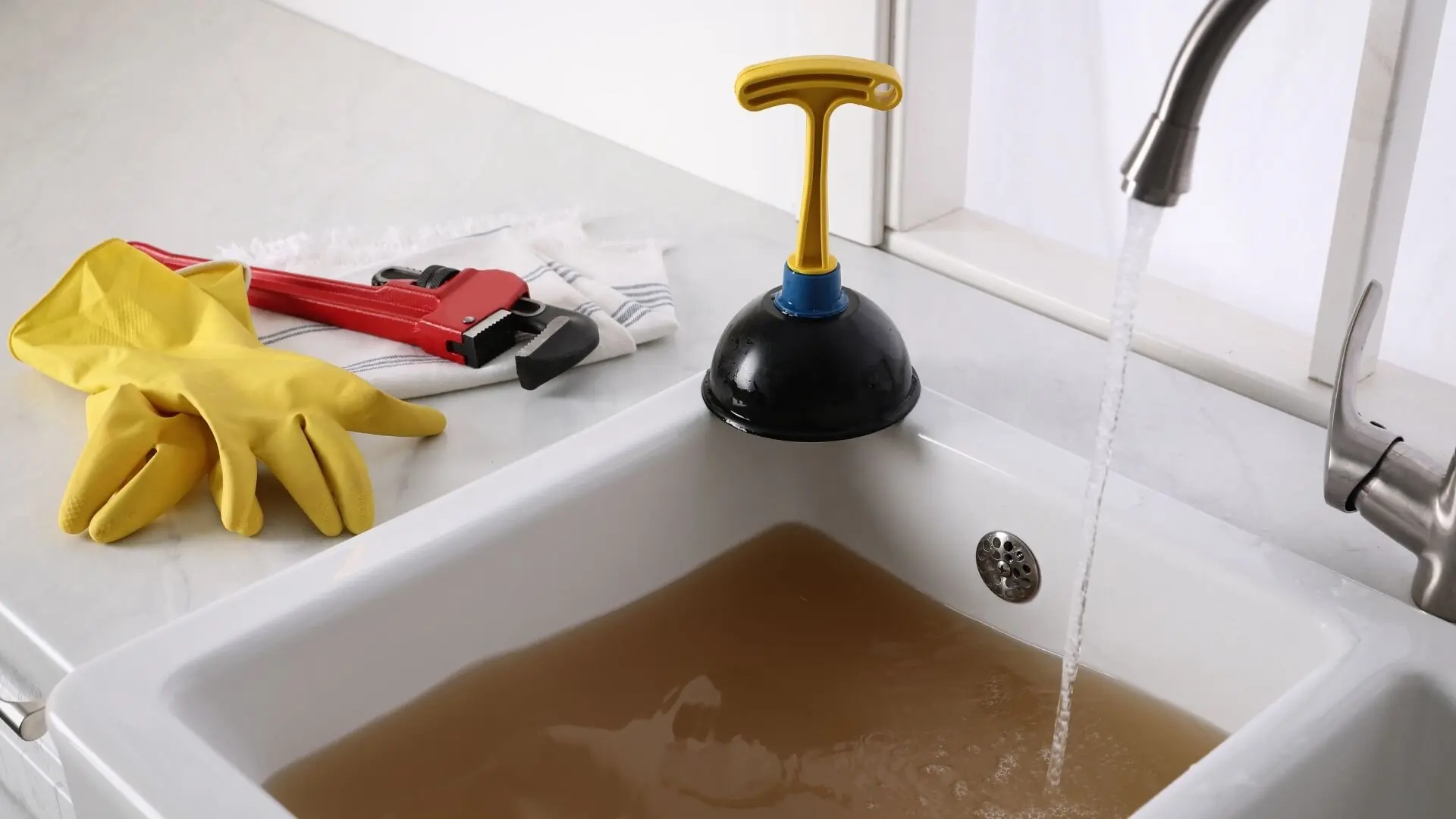
Professional drain cleaning services offer significant advantages over DIY methods for tackling grease build-up. Experts use advanced tools like hydro-jetting to thoroughly remove grease clogs and restore water flow without harming your plumbing system. Unlike chemical drain cleaners, professional methods avoid harsh chemicals that can cause further damage to pipes.
Hiring a professional also ensures grease clogs are addressed effectively, preventing recurring blockages and costly repairs. Experts can provide personalised advice, such as proper grease disposal techniques and routine cleaning tips, to avoid future issues.
Silver Drains and Plumbing, a trusted provider, specialises in resolving blocked kitchen sink issues. With years of experience, their team ensures that your kitchen drain is thoroughly cleaned and maintained. Choosing professional assistance saves time, money, and the hassle of dealing with severe grease blockages.
Take Action Against Grease Blockages Today
Grease is one of the leading causes of kitchen drain blockages, and ignoring it can result in costly repairs and significant inconvenience. Early warning signs, such as slow-draining sinks and foul odours, should never be overlooked. Adopting preventive habits like using a grease trap, proper grease disposal, and regular cleaning with hot water and baking soda can keep your plumbing system healthy.
For stubborn grease clogs, professional assistance is the best solution. Silver Drains and Plumbing offers reliable and effective drain cleaning services, ensuring long-lasting results. Their advanced techniques and expert advice can safeguard your kitchen from future blockages.
Take proactive steps today to maintain your plumbing system, protect your home, and avoid the frustrations of clogged drains. Contact Silver Drains and Plumbing for professional help and enjoy peace of mind knowing your drains are in expert hands.
Published by: Kamran Khan26 August 2025