Last Update: 18 September 2025
If you own a house in the Central Coast or Newcastle, you know how crazy the weather can get up around here. It can be beautifully sunny one day and thunderstorming the next and this puts immense pressure on your home’s drainage systems. Excess surface water and poor drainage can quickly get out of control, leading to cracks in your foundations, soil erosion, wood rot and become a breeding ground for pests.
And nobody wants that! Make your poor drainage a thing of the past by installing a French drain. But what is a French drain and how do they work?
History of the French Drain
Despite its namesake, the French drain has nothing to do with France. It was actually invented by the American agriculturalist and lawyer, Henry Flagg French in his 1959 book Farm Drainage. These early French drains were simple - just a trench full of discarded roof tiles. However, they eventually added layers of rocks, gravel and geotextile fabric and evolved into the French drains we know today.
How Does A French Drain Work?
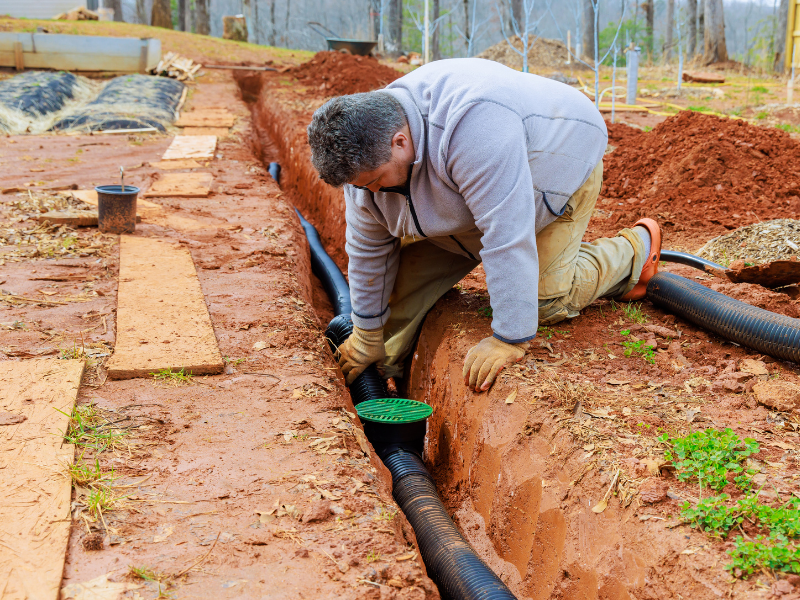
French drains work by removing excess surface water from your home and garden. They are made up of a trench filled with gravel and a perforated pipe that’s surrounded by a layer of fabric that collects and redirects water. This type of drainage system actively prevents water from accumulating in your home or garden, which can lead to a serious host of problems like soil erosion, foundation damage and landscaping issues.
The main goal of a French drain is to intercept troublesome water before it reaches vulnerable areas and they are particularly useful in:
- Low-lying areas that are susceptible to recurring flooding
- Regions with heavy rainfall
- Properties with poor natural drainage, like sloping blocks
By safely channelling water away, French drains help keep basements and garages dry, protect homes' foundations, and protect gardens and landscaping.
How Do French Drainage Systems Work?
A French drain provides an easy path for rain and stormwater to follow. By replacing the soil with gravel or rocks and working with gravity, excess water is redirected safely away from your home. Here’s a quick overview of how a French drainage system works:
- Rainwater enters the French drain through the perforations in the pipe or through the layer of gravel
- The slope of the pipe lets water flow freely away from your home and garden
- The surrounding gravel acts as a filter, preventing topsoil and debris from clogging up your pipe
- Water moves out of the drain towards an outlet, be it a stormwater drain, dry well or onto the street.
Signs You Need To Invest In A French Drain?
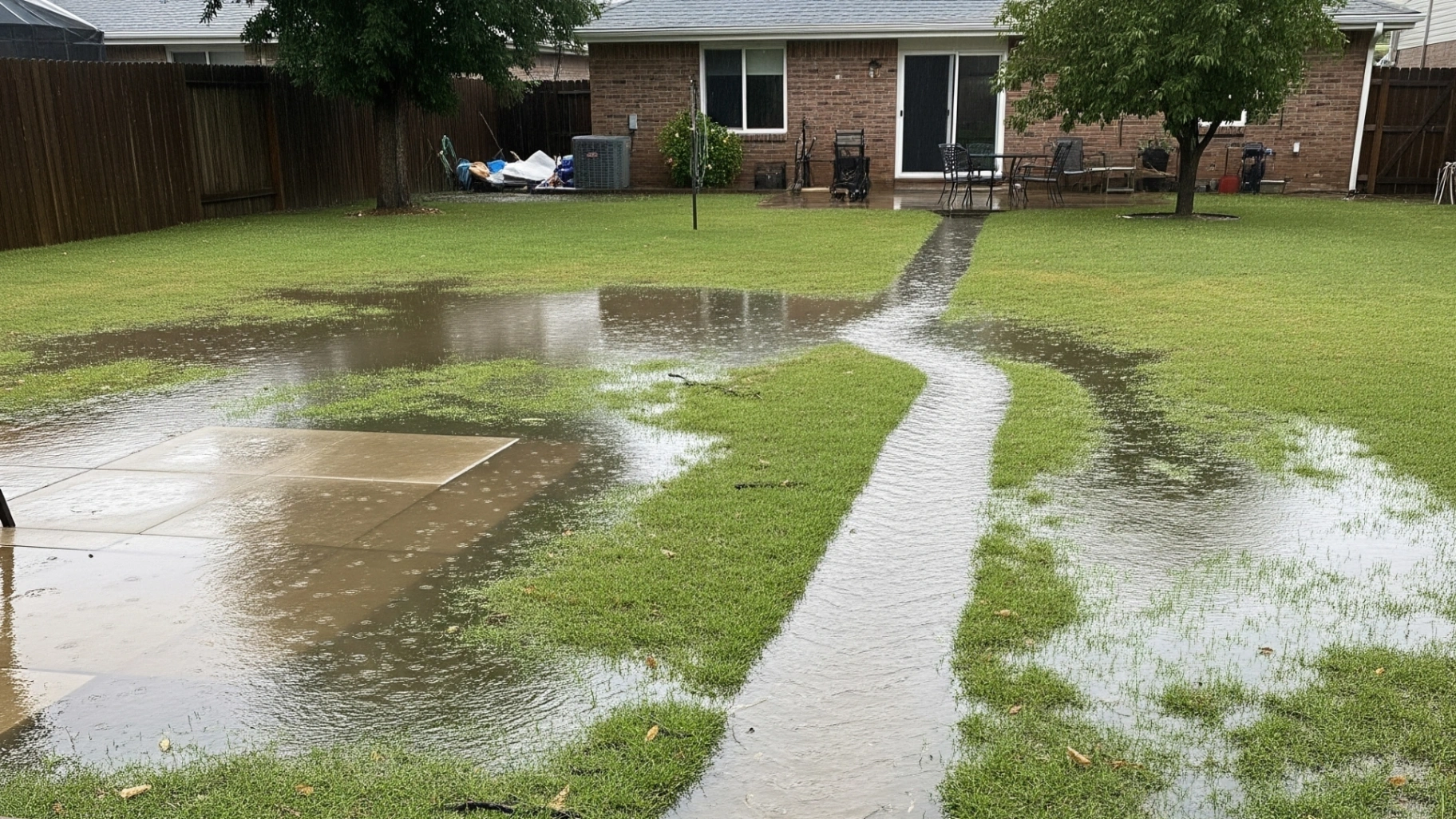
If you’re sick of dealing with a flooded garden when it rains or your plants keep getting waterlogged, it might be time to install a French drain.
Keep an eye out for these telltale signs that your home is crying out for a better drainage system:
- Water pooling in your garden or driveway
- Soggy lawns or garden beds
- Cracks in the foundation of your home
- Your basement or garage is prone to flooding
- Mildew or musty smells
- Soil erosion and sediment buildup
- Your gutters overflow even when they are clear of debris
Another sign that you desperately need a French drain is that your home floods every time it rains or there's a thunderstorm. Not only is this problem annoying, if you ignore it and hope for the best, it can have some serious consequences and lead to expensive repairs later down the track.
Why Should I Install A French Drain?
Professionally installing a French drain has a number of benefits, such as:
- Preventing standing and stagnant water around your home’s foundations, driveway and gardens
- Reduces the risk of flooding in heavy rain and thunderstorms
- Helps to prevent soil erosion by channelling excess water away
- Improves soil drainage
- Supports the lifespan of structural elements such as retaining walls