Last Update: 26 August 2025
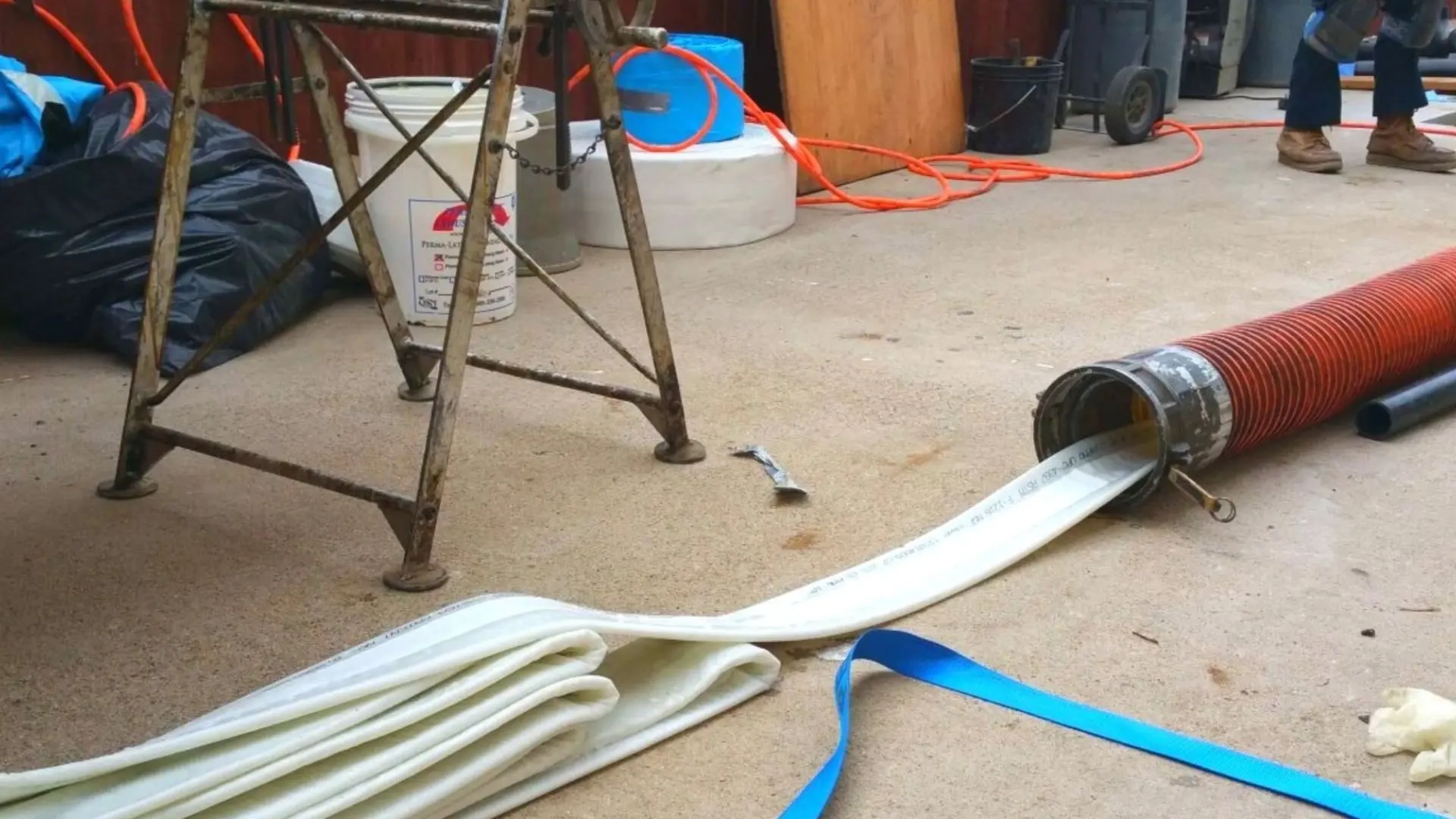
Imagine avoiding the mess and destruction of traditional pipe repairs. Pipe relining offers a revolutionary, no-dig solution for damaged underground pipes, saving your garden, driveway, and wallet. This innovative method involves inserting a flexible liner coated with epoxy resin into the existing pipe, which then cures to form a strong, new pipe within the old structure.
This 'keyhole surgery' for your plumbing not only prevents extensive excavation but also reinforces your pipes, making them resistant to tree roots, corrosion, and future cracks for up to 50 years. If you're experiencing recurring blockages, foul odours, gurgling drains, or wet patches in your yard, pipe relining could be the permanent fix you need. The process is straightforward: a CCTV inspection identifies the problem, pipes are cleaned, a custom liner is inserted and cured, followed by a final check. While not suitable for completely collapsed pipes, it's often more cost-effective than traditional digging when factoring in property restoration. Discover a cleaner, more efficient way to restore your drainage system.
Imagine stepping into your backyard and finding a massive trench dug right through the garden you’ve spent years perfecting. All because of a cracked, ageing pipe under the lawn. It’s enough to make any homeowner panic.
The truth is, plumbing problems often strike without warning, and the solution can be more dramatic than expected. Thousands of households across the country face this mess every year, watching their patios, driveways, and landscaping get ripped apart just to fix what’s underground.
But there’s a better way.
Pipe relining is a modern fix for an age-old problem. Instead of digging, this technique repairs damaged pipes from the inside, saving your property from destruction. And if you’ve ever dealt with recurring blockages or water pooling where it shouldn’t,
understanding how pipe relining works could spare you another expensive surprise. Let’s dive in and see why it’s becoming the go-to for homeowners and tradies alike.
What Is Pipe Relining? (And Why Should You Care?)
Pipe relining is a no-dig method of repairing underground pipes. Rather than digging up the old, damaged pipe, plumbers insert a flexible liner coated with epoxy resin into it. This liner is then cured in place, creating a brand-new, solid pipe within the existing structure.
Think of it as keyhole surgery for your plumbing. You get a full repair without tearing up your driveway, lawn, or patio.
In contrast, traditional pipe replacement often means bringing in heavy machinery, breaking concrete, and weeks of disruption—not to mention the cost of restoring everything afterwards. With relining, all the work is done through existing access points or small entry holes.
And here’s the best part: relined pipes aren’t just patched—they’re reinforced. Once cured, the resin liner forms a tough, watertight barrier that resists tree roots, corrosion, and future cracks. That means fewer headaches down the track.
It’s also generally more cost-effective, especially when you factor in the savings on property repairs and downtime. So, if you’re tired of patch-up jobs or constant blockages, pipe relining is well worth a look.
Need Help From a Specialist?
Signs You Might Need Pipe Relining
Not sure if you’re due for pipe relining? Here are some warning signs that your pipes could be crying out for help:
- Blocked drains—again
If clogs keep coming back, there may be deeper damage further down the line. - That funky smell
Foul odours from sinks or outdoor drains can mean a leak or crack. - Gurgling sounds
Odd noises when water drains often signal airflow issues caused by pipe damage. - Backyard swamp zones
Wet patches in your garden might not be from the rain—it could be leaking pipes. - Overflowing outdoor drains
This usually means your stormwater or sewer line is blocked or broken. - Old pipes
Clay, cast iron, or other outdated materials are more likely to crack and corrode.
If any of these sound familiar, it’s a good idea to get your pipes inspected before things escalate.
Step-by-Step: The Pipe Relining Process
So, how does pipe relining actually work? Here’s what you can expect, broken down into simple steps:
1. Inspection & Diagnosis
Every job starts with a thorough inspection. A small, high-resolution CCTV camera is fed into your drain system to inspect the internal condition of your pipes. This reveals cracks, breaks, root intrusion, and the exact location of the damage.
2. Pipe Cleaning
Once the problem’s identified, the pipes are cleaned using a high-pressure water jetter. This removes built-up grease, debris, roots, and other blockages. The lining won’t stick unless the surface is clear and smooth.
3. Measurement & Linear Preparation
Next, your plumber takes detailed measurements of the damaged section. A custom-cut liner is made from a flexible material soaked in epoxy resin. The resin is key—it hardens into a new pipe once cured.
4. Inversion or Pull-In Method
The liner is inserted into the pipe using one of two methods: inversion (rolling it in with air or water pressure) or the pull-in method (pulling it through with a rope system). Either way, it’s positioned exactly where the damage is.
5. Curing
Once in place, the liner is cured using ambient air, hot water, or UV light, depending on the situation. This process hardens the resin and turns it into a strong, seamless pipe that bonds to the original.
6. Final Inspection
The last step is another CCTV inspection to ensure everything’s lined up and cured properly. You’ll usually get footage as proof that your pipes are as good as new.
It’s quick, clean, and surprisingly satisfying to watch.
How Long Does Pipe Relining Last?
A well-executed pipe relining job can last up to 50 years—that’s half a century of reliable performance. It’s not a short-term patch, but a permanent structural solution.
Most providers back their work with solid warranties, ranging from 10 to 25 years, depending on the materials and methods used.
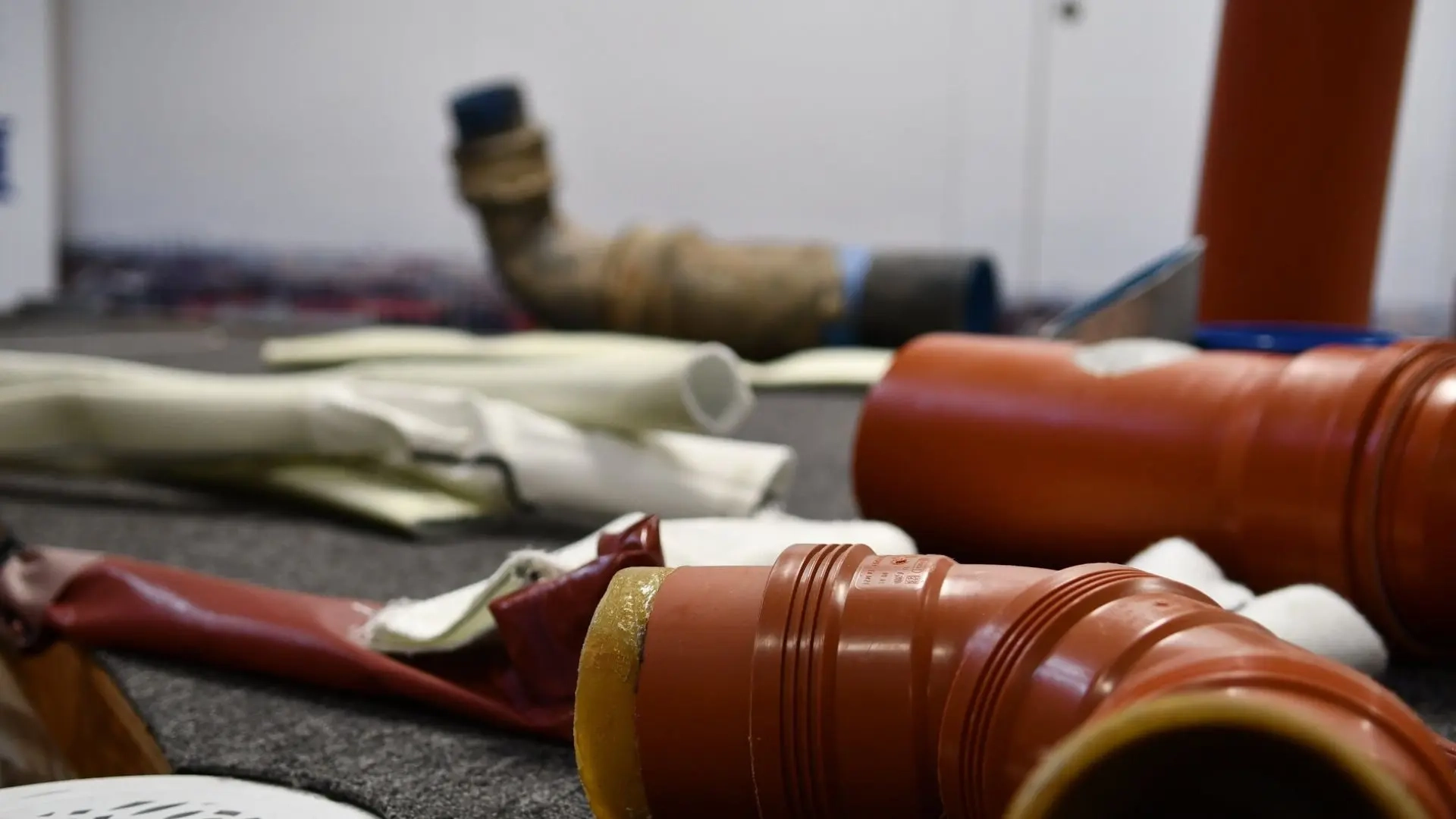
Relined pipes are resistant to root intrusion, rust, cracks, and chemical wear. In fact, many are even stronger than the original pipe. Once it’s done, you likely won’t need to think about that pipe again for decades.
Common Myths About Pipe Relining
Let’s clear up a few common misconceptions:
- “It’s just a temporary fix”
– Actually, it’s built to last as long as (or longer than) traditional pipes. - “It won’t work on large cracks”
– Most cracks and gaps can be sealed with the right liner and resin. - “It’s more expensive than digging”
– Once you factor in landscaping, concrete repairs, and downtime, relining often comes out cheaper.
Don’t let outdated ideas stop you from considering a smarter solution.
When Pipe Relining Might Not Be the Answer
Pipe relining is impressive, but it’s not a silver bullet. It won’t work if:
- The pipe has completely collapsed
- The structure is too distorted or misshapen
- The site is affected by ongoing ground movement
In these cases, relining might not bond properly or may fail prematurely. That’s why a professional inspection is crucial—sometimes, a traditional replacement or partial repair is the safer route. A good plumber will give it to you straight.
Pipe Relining Cost Guide (Australia-Wide)
Wondering what pipe relining costs in Australia? On average, you’ll pay between $400 and $1,000 per metre. But that’s just the ballpark.
The final price depends on things like:
- Pipe diameter and length
- How easy it is to access the affected area
- Location and severity of the damage
- Number of pipe junctions that need relining
Costs also vary by state and metro vs regional areas. While it might sound steep at first glance, remember—this method often skips the demolition and repair stage, which saves a ton of time and money.
For the most accurate pricing, get a CCTV inspection done. It’ll help diagnose the issue and give you a clear quote upfront.
Let’s Get Your Pipes Flowing Again
At Silver Drains and Plumbing, we’ve helped hundreds of homes and businesses get their pipes flowing smoothly again—without the mess. No torn-up driveways. No muddy trenches. Just clean, efficient results.
Our team uses the latest pipe relining technology to repair your pipes from the inside out. We’re upfront with costs, clear with communication, and committed to getting the job done right the first time.
If your drains are backing up, smelling funky, or just not doing their job, it’s time to act. Give us a call today and ask about our pipe relining services. We’ll book an inspection, explain your options, and help you avoid another messy surprise.
Let’s sort it before it gets worse.
Published by: Kamran Khan26 August 2025